
CBT News: Why FTC compliance is critical for car dealership valuations
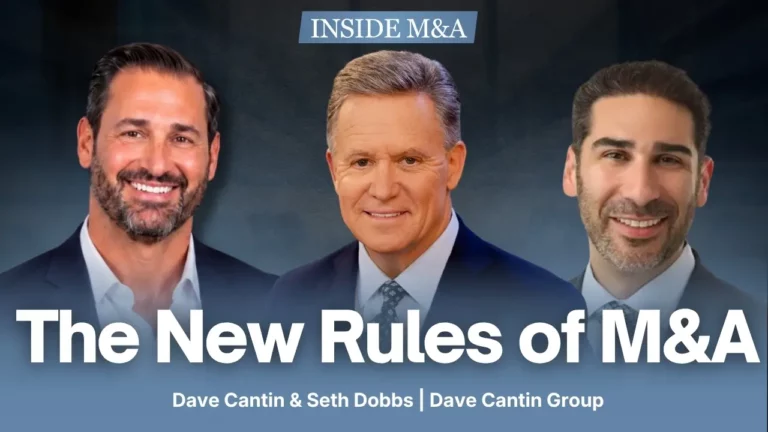
For automotive dealers considering a sale, acquisition, or long-term growth strategy, regulatory compliance is no longer simply an operational concern.
In a recent conversation hosted by Jim Fitzpatrick, Dave Cantin, Founder, Chairman and CEO of Dave Cantin Group, and Seth Dobbs, Chair of the Automotive Practice at Fox Rothschild, discussed how FTC scrutiny, more selective manufacturers, and increasingly sophisticated buyers are reshaping dealership transactions.
Preparation, compliance, and the right advisory team are essential in today’s automotive M&A environment.
Compliance issues can follow a dealership through a transaction
According to Dobbs, the FTC, state attorneys general, and plaintiffs’ attorneys continue to pursue subpoenas, investigations, and other enforcement activity involving dealerships.
That scrutiny now plays an important role in M&A due diligence. Buyers and sellers must consider whether a dealership is compliant, whether it has received a subpoena, and whether it is involved in an ongoing investigation.
Even when a buyer may not inherit direct liability for past conduct, unresolved issues can create post-closing costs and distractions. A new owner may need to respond to inquiries, address consumer complaints, update processes, or invest in corrective measures. A change in dealership ownership or branding does not necessarily make those concerns disappear.
Advertising practices can affect dealership value
Cantin noted that buyers may review months of advertising to determine whether a dealership has marketed accurately and treated consumers appropriately. If questionable advertising or sales practices contributed to revenue or profitability, a compliant buyer may not be able or willing to replicate those results after closing.
Dealers should therefore view compliance as part of enterprise value. Accurate advertising, transparent customer practices, and strong internal controls can help protect both current revenue and future transaction value.
Today’s buyers and OEMs are more selective
A buyer’s dealership count alone may not guarantee OEM approval. Manufacturers may examine financial strength, operating performance, brand experience, market compatibility, and the buyer’s ability to complete a detailed application process.
Dobbs explained that approval standards can shift over time. A manufacturer that once appeared accessible to a particular buyer may now require stronger metrics or more relevant operating experience. These changes must be considered when drafting agreements and establishing transaction timelines.
If the parties underestimate the time needed for OEM approval, the deal and the buyer’s deposit may be placed at risk.
The highest offer is not always the best offer
Price is important, but it is not the sole indicator of a successful transaction.
A high offer may include extensive contingencies, financing conditions, or other requirements that create uncertainty. In some cases, a slightly lower offer with committed capital, fewer contingencies, and a clearer path to OEM approval may provide a stronger outcome for the seller.
Preparation should begin well before a sale
Dealerships are valuable assets that may support family wealth for generations. They should be managed with the same long-term discipline applied to other major investments. That means monitoring performance, maintaining clean and sustainable profits, protecting the dealership’s reputation, documenting compliant practices, and building a qualified advisory team before a transaction begins.
For sellers, preparation can reveal operational improvements that strengthen value and reduce friction during diligence. For buyers, preparation can clarify acquisition criteria, including brand, geography, revenue, return expectations, and strategic fit. DCG works with clients to define those criteria and identify opportunities using Jump IQ, its artificial intelligence platform. This approach allows buyers to pursue acquisitions strategically rather than waiting for a business to come to market.
Experienced advisors become most valuable when challenges arise
Experienced M&A advisors, attorneys, accountants, and wealth management professionals can help dealers evaluate options, protect their interests, communicate effectively, and develop solutions that keep a viable transaction moving forward.
As Cantin and Dobbs emphasized, the goal is not simply to announce a deal. It is to create an outcome that can successfully close and deliver value to the parties involved.
About Dave Cantin Group
Dave Cantin Group is a leading automotive M&A advisory firm specializing in acquisitions, divestitures, platform management, business evaluations, and other corporate development services. The new retail reality requires automotive dealers to seek DCG’s collective best thinking, deep experience and extensive industry relationships to effectively leverage M&A as a core business strategy.
Clients choose DCG because we are a trusted advisor focusing on long-term relationships, investing in data and research, and engaging our entire team on every client project. Clients benefit from our industry-leading market intelligence – our Market Outlook Report – and JumpIQ, our proprietary AI-enabled platform delivering unprecedented visibility into automotive retail.
Our nonprofit initiative, DCG Giving, funds child and adolescent cancer research and treatment across the United States and supports other charitable causes important to the automotive retail community. To learn more, visit davecantingroup.com.