



DCG INSIGHT BRIEF
The FTC’s Enforcement Includes:
- Advertising a price that does not reflect all required fees, including dealer document fees
- Advertising a price that reflects rebates or discounts not available to all consumers
- Advertising a price that fails to take into account the amount of an additional required down payment
- Conditioning the advertised price on consumers using dealer financing
- Requiring consumers to buy additional items not reflected in the advertised price
- Advertising unavailable or non-existent vehicles
“This is not a situation where dealers can wait and see,” said Brian Gordon, president of Dave Cantin Group (DCG), a leading automotive M&A advisory company. “The FTC’s enforcement actions are already resulting in multimillion-dollar penalties. And it’s at the federal level, so the risk of inaction is high. Dealers need to view this as another cost of doing business and ask themselves, ‘What is my exposure if a regulator looks at this tomorrow?'”
A Clean Record to Protect Dealership Value
An overlooked dimension to advertising compliance is the impact on a dealership’s valuation. For dealers who plan to sell, buy, take on partners, or seek financing, operating a compliant business ensures that all revenue is considered “normal” to the buyer. Revenue that’s generated by pushing the boundaries of legality or regulatory compliance will be pulled out of the P&L for purposes of the valuation. Examples include aggressive sales or marketing tactics, add-on fees, packs, or other addenda. In fact, most buyers in a potential sale will say, point blank, “Those profits are not reflective of how I will or could operate that store.” And even if they’re still interested, buyers would likely make an offer on a much-reduced, pro forma P&L and/or with a depressed valuation.
Similarly, for those target dealerships with a history of public inquiries, lawsuits, or other charges, buyers will likely question the seller’s motivations and have significant concerns about any ongoing, post-acquisition connections to the store.
Ignorance or even lack of understanding of the law is no excuse. Even small actions can set up a store for actual and reputational harm, creating a stain on the owner’s legacy and the store’s value.
Regulatory issues can also affect the dealership’s relationship with its franchisers. While an FTC enforcement action doesn’t automatically trigger franchise consequences, it can create a documented public record of deceptive practices that manufacturers can reference in their own compliance reviews. Warning letters, remediation plans, operational restrictions, and, in serious cases, franchise non-renewal can all be possible downstream effects. State regulators may also take action on dealer licenses.
“Just as a dealer wants to sell an ‘apology-free’ car to a buyer, you want your whole operation to be ‘apology-free,'” said Gordon. “It’s not just about establishing a healthy regulatory track record for its own sake. Dealership buyers will not-and should not-pay for revenue and profit that is generated through unethical, or non-compliant practices. This precedent includes the FTC’s advertising crackdown.”
“Dealers work for years to build their reputation with their manufacturer, with their customers, and within their community,” said Gordon. “A regulatory action can put all of that at risk.”

Advertising Temptations
Advertising specific vehicles that are not in its inventory is one rule that a dealership might be tempted to overlook, but shouldn’t.
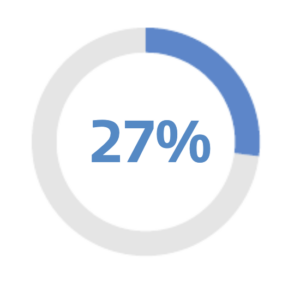 One example: as car shoppers look for ways to save money in the current economic environment, demand for used vehicles is rising sharply. 27% of car shoppers say they plan to buy a used vehicle, which is up from 24% a year ago, according to Dave Cantin Group’s 2026 Market Outlook Report (MOR), produced in conjunction with The Martec Group. At the same time, used inventory remains tight: MOR data shows that the days’ supply of used vehicles is now 63, which is below the 69-day profitability threshold.
A practical standard is that all sold vehicles should be removed from the dealership website within 24 hours. Listings should reflect actual stock or be explicitly marked as “in transit” with an estimated arrival date. Vague disclaimers saying vehicles “may not be available” are a red flag to regulators, not a safe harbor.
The FTC’s actions underscore how automotive retail is becoming increasingly complex at both the state and federal level, which gives an advantage to dealer groups with the scale and resources to train employees and monitor compliance.
“The pressure of strong demand and thin supply can create an environment where cutting corners on inventory advertising is tempting,” said Keith Miller, director at The Martec Group. “A dealer might not be fast enough to remove a vehicle from their advertising that just sold or they’ll be vague about available trim levels in hopes of getting the shopper in to consider an alternative. While these practices might be common, the FTC has made it clear that those advertising practices are now firmly in its enforcement crosshairs.”
Calculating Dealership Exposure
Dealers who have relied on pricing practices that don’t align with the FTC’s all-in pricing standard, such as advertised prices that don’t include mandatory dealer fees or that are conditioned on financing or rebates available only to a narrow slice of buyers, should take a clear-eyed look at the risks to their bottom line.
While the renewed enforcement of the FTC’s existing laws poses a massive challenge for automotive retailers, dealers may also discover some lasting opportunities.
Beyond the regulatory mandate, there’s a straightforward business case for transparent advertising, and it’s rooted in today’s consumer mindset.
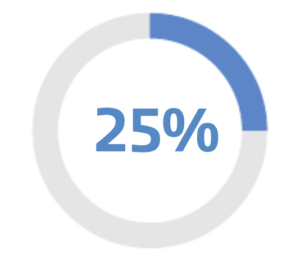 Consumer sentiment is 25% lower than it was a year ago, according to MOR data. Affordability pressures, including high vehicle and gas prices along with economic uncertainty, are weighing on consumers. In this environment, MOR data found reliability, affordability, and value have become the top three criteria consumers are using when evaluating vehicles and brands.
Shoppers who feel misled by a price that changes at the desk-an add-on they didn’t expect, or a vehicle that wasn’t actually available-won’t come back to the dealership. In the age of online reviews, that customer’s decision could amplify rapidly to other vehicle buyers.
However, dealers should keep in mind that consumers are more open-minded about which vehicle they’ll buy, due to affordability concerns.
“We’re advising all of our clients to know their revenue risk,” said DCG’s Gordon. “While others are focused specifically on regulations and compliance, DCG supports clients by helping them understand what uncompliant revenue can do to the value of an asset. Some dealers might accept the calculated risk; others will deem that risk unacceptable. Either way, dealers need to know those numbers and understand potential implications.”
In addition to urging dealers to engage legal counsel to ensure they’re compliant, Gordon also recommends that all dealers have a checklist that covers:
- A full audit of all advertising channels, including digital listings and ads, social media, and print ads
- A review of all pricing disclosures to ensure fees, financing conditions, and rebate eligibility are properly and prominently disclosed
- A documented process for inventory updates with a defined removal cadence
- Required staff training for marketing teams, support, and the sales floor
Building Trust When Consumer Sentiment Is Low
“Even though consumer sentiment is low, dealers have some new opportunities,” said Martec’s Miller. “Car shoppers are more open to switching brands and they’re willing to take on longer loan terms to buy a vehicle.”
“Affordability challenges have diminished customer loyalty and increased competition among more dealers for the same customer. Advertising that leads with real prices, honest inventory, and flexible financing options rather than a teaser that falls apart under scrutiny can all be genuine differentiators at the group level,” said Gordon.
According to MOR data, the average car loan term is now 70 months, with 22% percent of loans being 84 months-an all-time high.
While the FTC’s actions are a burden, dealers can seize an opportunity for an advertising refresh and for new ways to build trusted relationships with consumers. Car buyers are increasingly using AI tools, like ChatGPT and Claude, and they’re coming into the dealership more informed than ever. Transparent advertising can show shoppers that a dealership is more trustworthy than its competitors.
With multimillion-dollar settlements against dealers now part of the public record, it’s clear the FTC’s renewed enforcement of advertising laws is not going away anytime soon. And the risk of non-compliance has never been higher. Dealers who meet this moment by treating it as an opportunity for an operational and strategic reset, and the chance to strengthen relationships with its customers, will be in the strongest long-term position.
About Dave Cantin Group
The Dave Cantin Group (DCG) is a leading automotive M&A advisory company specializing in exclusive buy-side representation, exclusive sell-side representation, platform assessments, business evaluations, and other advisory services. DCG is differentiated by its extensive investments in data and analytics, including the proprietary AI-powered JumpIQ platform, and the Market Outlook Report that forecasts high-impact industry trends; its team structure that provides breadth and depth of expertise to every client engagement; and the tenacity to deliver the best results. The company’s nonprofit initiative DCG Giving funds child and adolescent cancer research and treatment across the United States and supports other charitable causes.